
Define the scope
Roof measurement, material selection, access and the known roof details establish the project. Required permits and inspection coordination fit into that plan.
Gladstone, MO
A new roof needs more than a different shingle color. We help Gladstone homeowners plan the removal, materials and details that make the replacement fit the house.
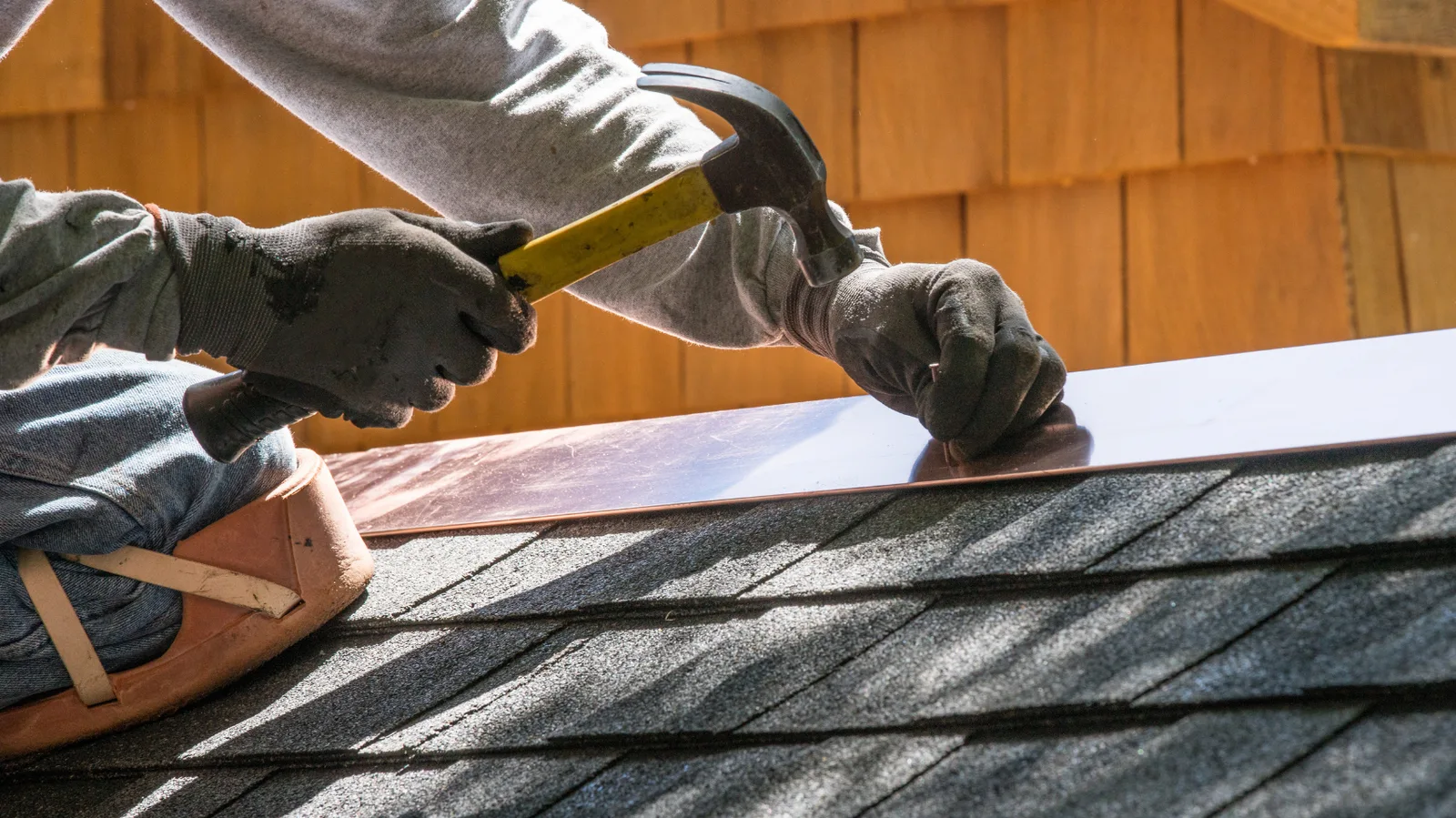
When roofing is worn across several areas, the useful question becomes what the next roof needs underneath its finish. Removing the old covering exposes the base so soft wood, earlier patches and vulnerable roof junctions can be addressed.
A replacement brings the water-shedding layers back together: deck, eave protection, underlayment, flashing and the selected covering. Ventilation needs to suit the roof and attic arrangement. Skipping a weak connection simply puts new shingles above the old problem.
These are the parts of the work that belong in a developed replacement plan.
Old covering is removed, debris is handled and the exposed wood is examined. Damaged decking is a separate condition that can change the agreed scope once it is visible.
Protective layers support the outer covering where water backs up or concentrates. Gladstone’s one-layer and ice-barrier requirements affect this assembly; the permit guide explains the city’s wording.
Chimneys, walls, pipes and skylights interrupt the roof surface. Their transitions need compatible flashing tied into the new material rather than old leaks buried under it.
The selected shingle or metal system determines attachment and edge details. Intake and exhaust openings need to work together without assuming that adding another vent fixes every attic problem.
Appearance matters, but the material also has to suit the roof’s slope, structure and details.
| Option | What it offers | What needs attention |
|---|---|---|
| Architectural asphalt | A layered shingle appearance with many color and profile choices. | Product compatibility, fastening, flashing and roof slope still control performance. |
| Impact-rated shingles | A tested impact classification for the specific product. | A rating does not make a roof hail-proof or establish an insurance discount. |
| Metal roofing | Panel or formed-metal choices with a distinct finish and attachment system. | Movement, penetrations, transitions and the existing structure need product-specific planning. |
Project arrangements begin before old material comes off.
Roof measurement, material selection, access and the known roof details establish the project. Required permits and inspection coordination fit into that plan.
Removal exposes the decking. Deteriorated wood is resolved before new layers cover it, with the work sequenced around weather protection.
Eave protection, underlayment, flashing and covering are assembled in their required order. Edges, penetrations and ventilation are completed as part of the roof.
Debris handling, cleanup and required final inspection complete different parts of the project. Warranty terms come from the actual contractor or manufacturer offering them.
A 2,000-square-foot measured architectural-asphalt roof provides a useful Kansas City metro planning example of $8,000 to $12,000 with ordinary one-layer tear-off. The actual property establishes the final price.
Roof surface is different from floor area. Valleys, dormers, pitch and access change the amount of work.
Decking, flashing, ventilation and drainage corrections can sit outside the ordinary replacement example.
Gladstone’s published roofing page allows only one layer of roof covering. Plan removal with the replacement, then confirm the project’s assembly and inspections with Community Development. The permit guide links the actual city rule.
Not by itself. Ventilation, indoor air leaks, insulation and bathroom or dryer exhaust can affect attic moisture. Roofing work addresses the relevant roof openings, while other building work can require another trade.
Material warranties and workmanship coverage address different failures. The actual issuer, included work, exclusions and remedy determine coverage. A specific term is established by the project documents, not a general material label.
Gladstone Roof Pros
A free inspection is a useful start when repairs keep growing or the roof is worn across several areas.
(816) 439-0392