
Tell the insurer about suspected covered damage
Use the policy’s claim process promptly. Notice requirements and the insurer’s instructions guide the claim.
Gladstone, MO
After a storm, start with people’s safety and any active opening in the building. Temporary protection, permanent roofing work and an insurance claim each have their own job.
A newly damaged roof can raise several questions at once. This guide separates the immediate concern from the repair and claim decisions, so you can ask for help without going onto the roof or diagnosing the damage.
Keep people away from unsafe areas and describe the concern when you call.
| What is happening | Useful next step |
|---|---|
| Water near electrical fixtures | Stay clear and get appropriate electrical or emergency help when danger is present. |
| A sagging ceiling or unstable material | Keep people away from beneath it. Do not enter an unsafe area to investigate. |
| Water coming through an exposed roof area | Call and say water is coming in now. Temporary protection depends on safe access and conditions. |
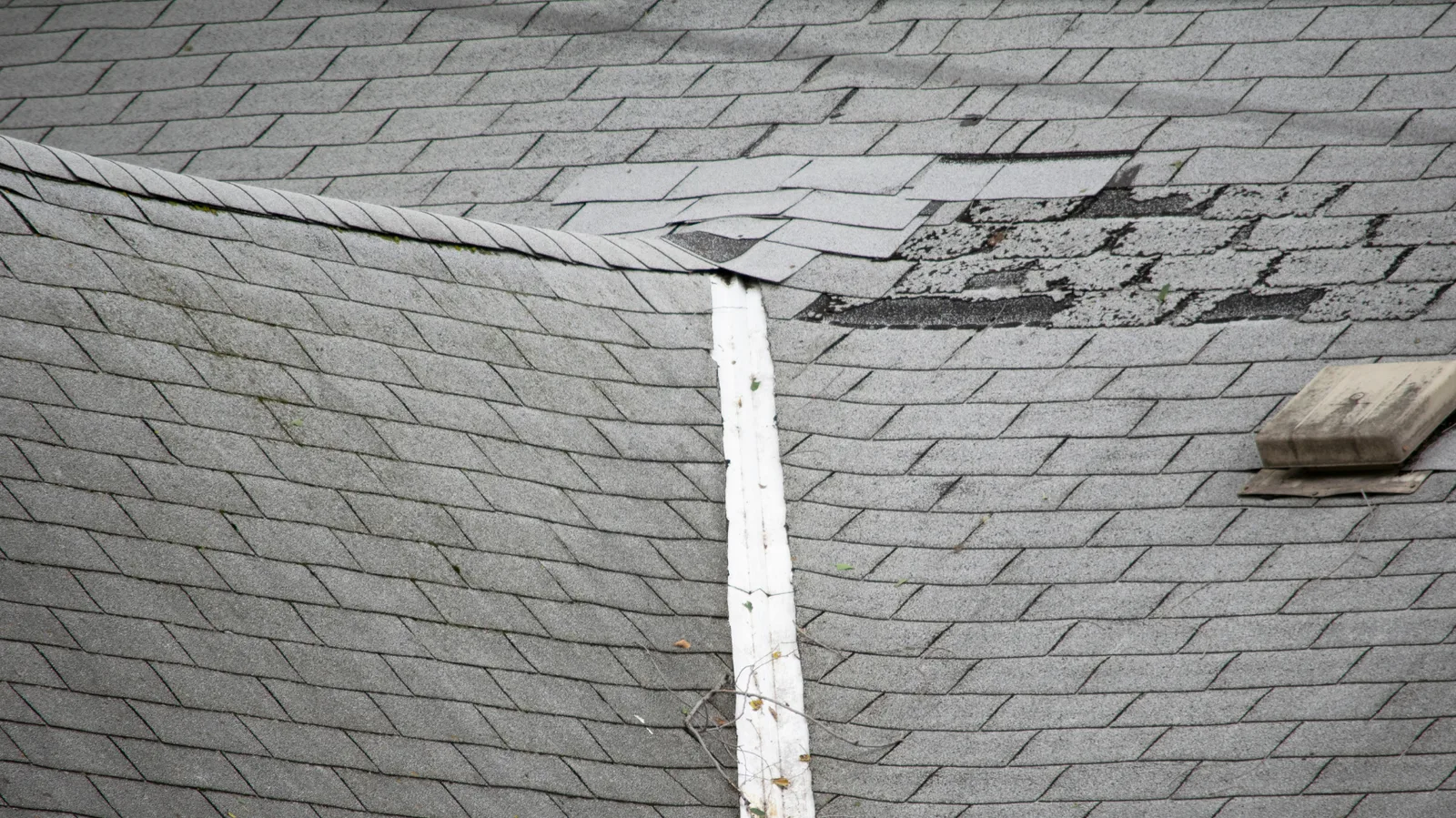
| Loose or missing shingles without an indoor leak | Request a roof inspection. The absence of a leak does not establish that the covering is sound. |
Stopping further exposure and repairing the roof are related but different stages.
A suitable temporary measure can limit rain entering an opening while permanent work is arranged. It does not restore all the damaged roof layers or complete the repair.
The affected covering, flashing and adjoining material need assessment. A local repair must connect to sound material; broader damage or hidden wet layers changes the work.
Roofing work does not automatically include electrical, ceiling, wall or mechanical repairs. Those needs are considered alongside the roof, with another trade where appropriate.
The Missouri insurance department provides severe-weather and claim guidance. The actual policy and insurer control coverage.
Use the policy’s claim process promptly. Notice requirements and the insurer’s instructions guide the claim.
Keep photos taken safely, the date you noticed the change and receipts for temporary protection or related work. There is no reason to climb onto the roof to create a record.
The roof inspection and any conditions revealed during opening help define the work. Additional claimed scope still needs insurer review.
No. A report describes weather at its recorded location and time. The roof condition, property history and event evidence inform the actual question; the report alone does not establish damage or a covered loss.
Active exposure needs attention, and the policy may set duties for limiting further damage. Tell the insurer what is happening and keep records of reasonable protection work. Coverage and reimbursement depend on the policy and claim.
Gladstone Roof Pros
Share the property location and whether water is coming in now. Start with the roof’s actual condition and the next useful step.
(816) 439-0392