
What Goes Beneath New Roof Shingles?
Shingles give a roof its finished appearance. The layers and connections below them determine how the assembly supports that finish and sheds water.
The deck is the base for the new roof
The roof deck is the wood surface beneath the protective layers and covering. It needs to support secure fastening. Soft, deteriorated or damaged wood is not corrected by putting new shingles above it.
Removal reveals conditions that cannot all be seen from the top of an old roof. That is why a replacement plan needs to account for newly exposed decking work. Gladstone Roof Pros helps homeowners connect those findings to the actual scope.
Protective layers back up the covering
Underlayment provides protection below the shingles. Eave and valley protection address locations where water can concentrate or back up. The layers need to overlap so water is directed outward.
Gladstone publishes a one-layer covering rule and ice-barrier requirements, with an inspection during roofing work before it is one-quarter complete. The dedicated permit guide explains those city instructions and links the source.
Flashing connects the roof to its interruptions
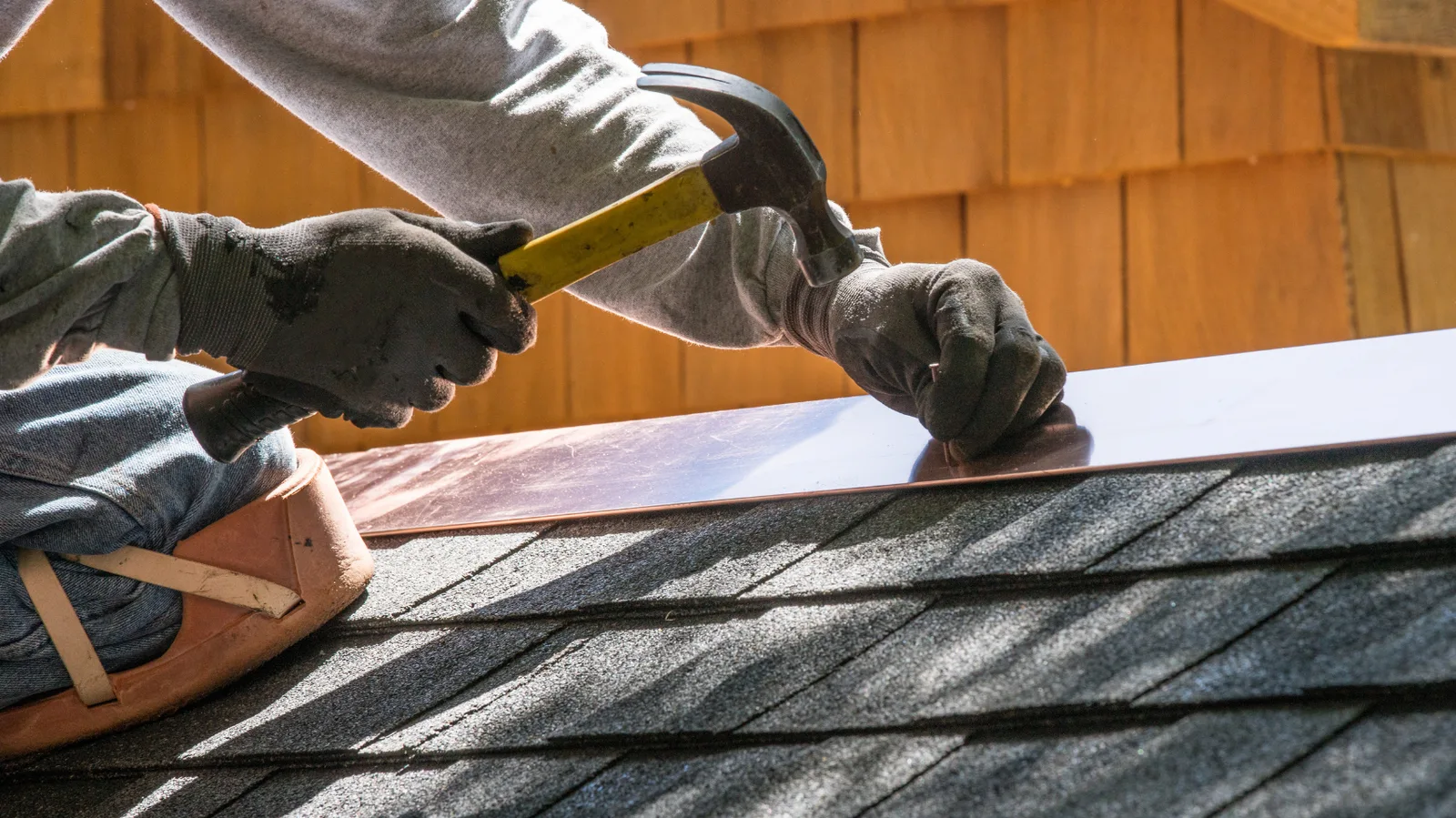
Walls, chimneys, pipes and skylights break up the shingle field. Flashing carries water around those breaks. At a wall, step flashing works with the shingle courses while the wall or counterflashing protects the top of the connection.
A replacement that preserves a failed joint can leave the leak in place under a new-looking roof. The condition and compatibility of each detail belong in the new assembly.
Plan the whole replacement
The material, base, protection layers, flashing and ventilation need to be considered together. Appearance matters, but it does not replace the work beneath the finish.
If you are weighing replacement, Gladstone Roof Pros can start with a free inspection and explain what the roof needs. The replacement guide develops the work sequence and useful cost drivers.